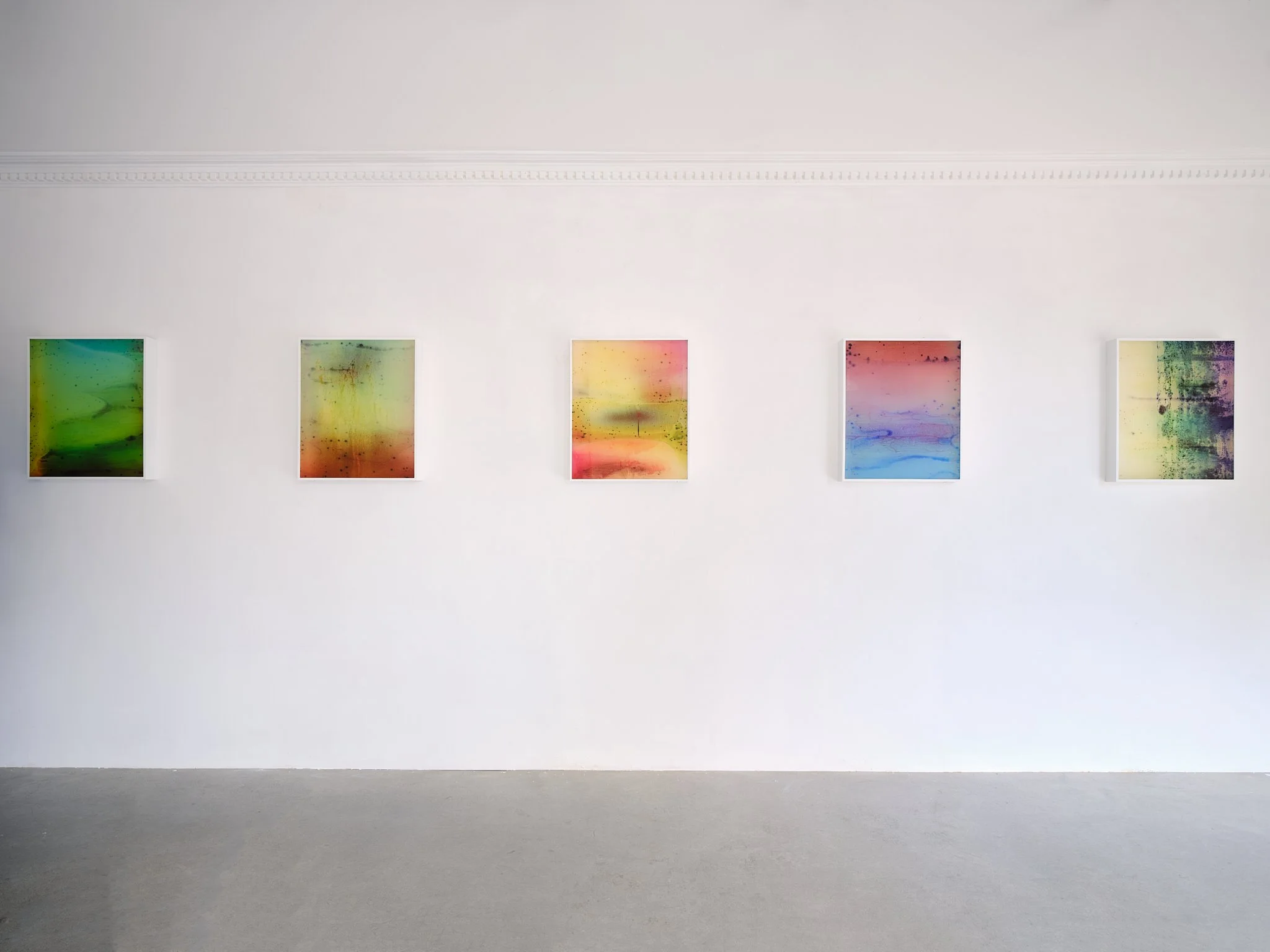
Daniel O’Toole
Multimedia artist
Naarm (Melbourne, Australia)
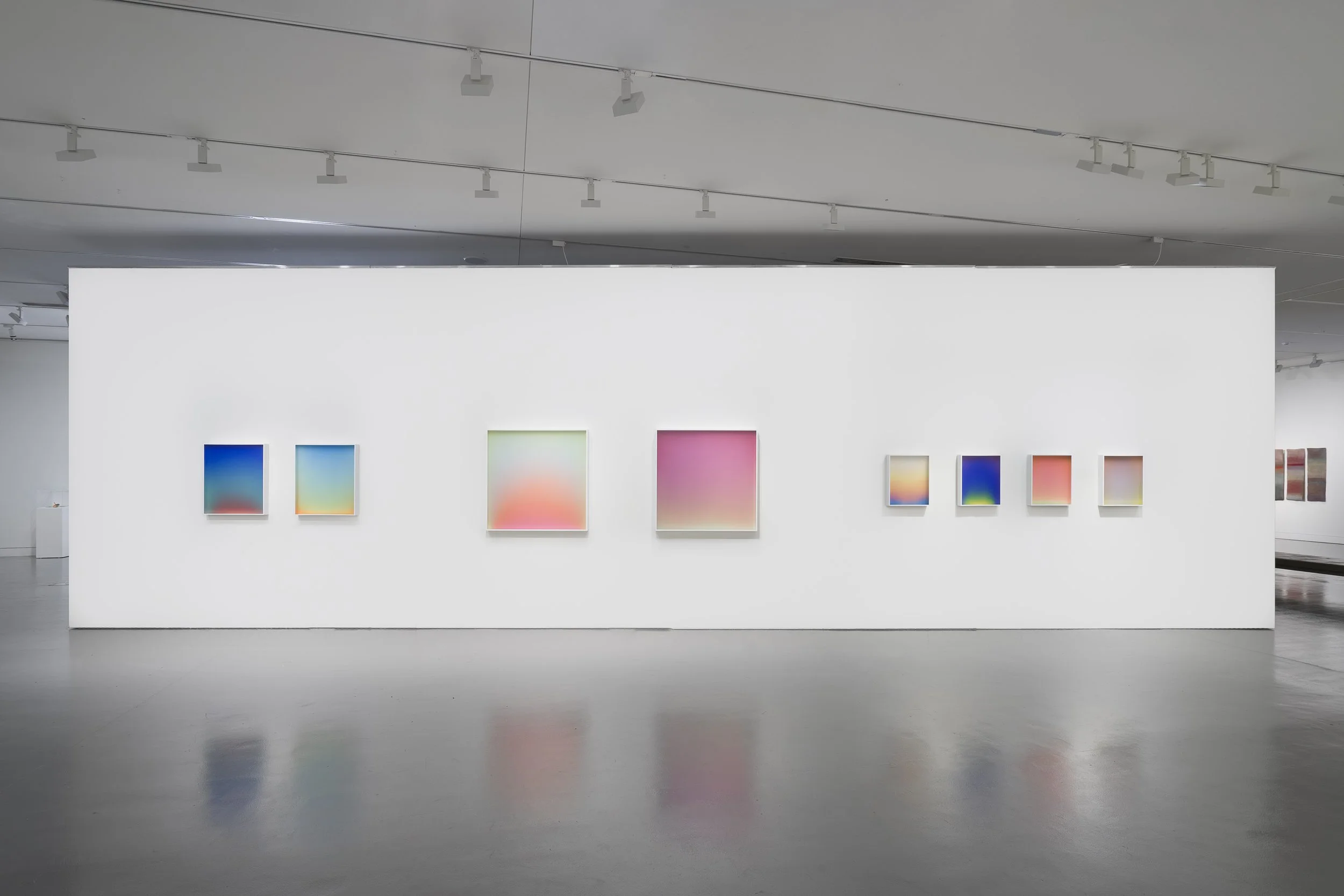
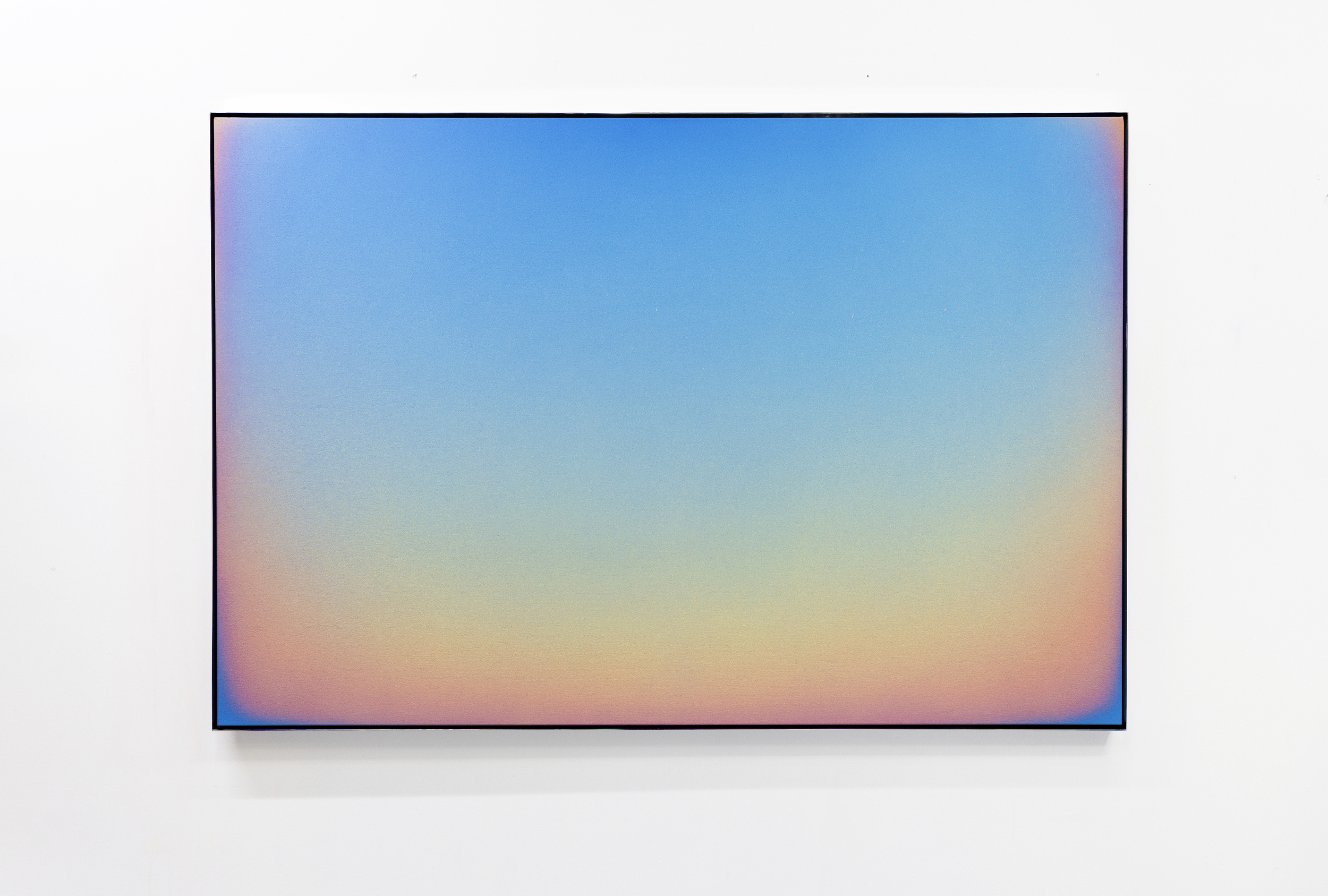
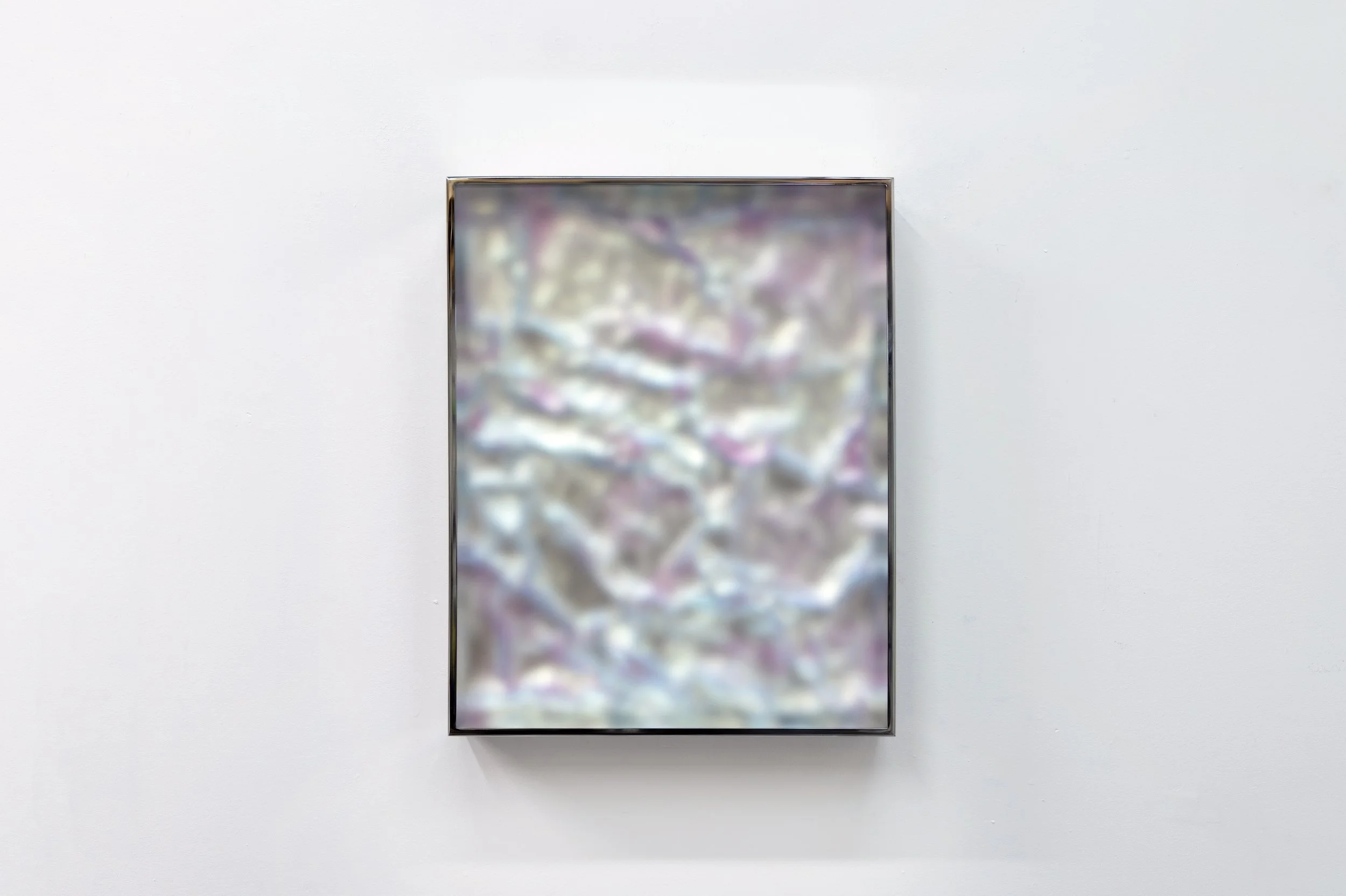
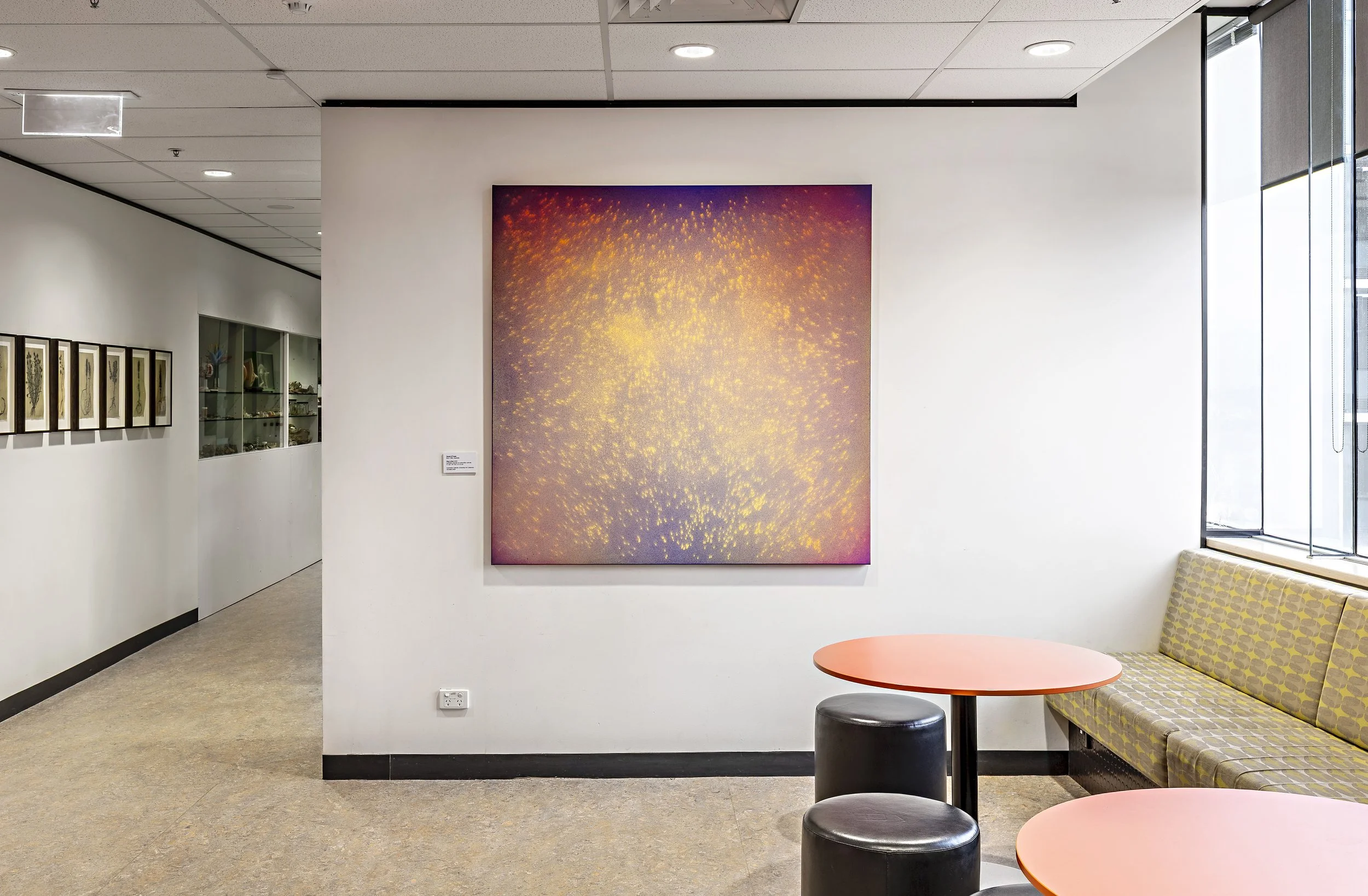
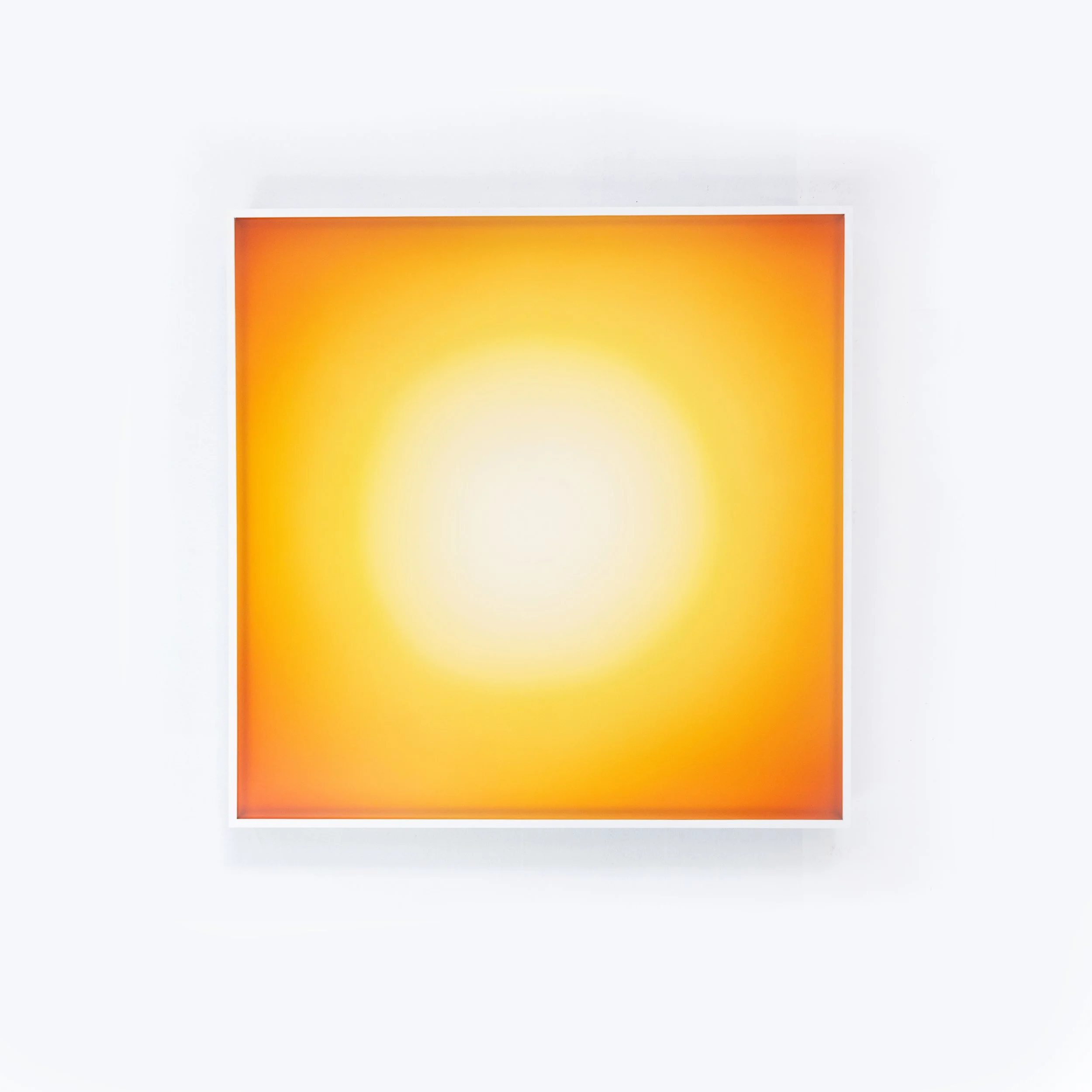
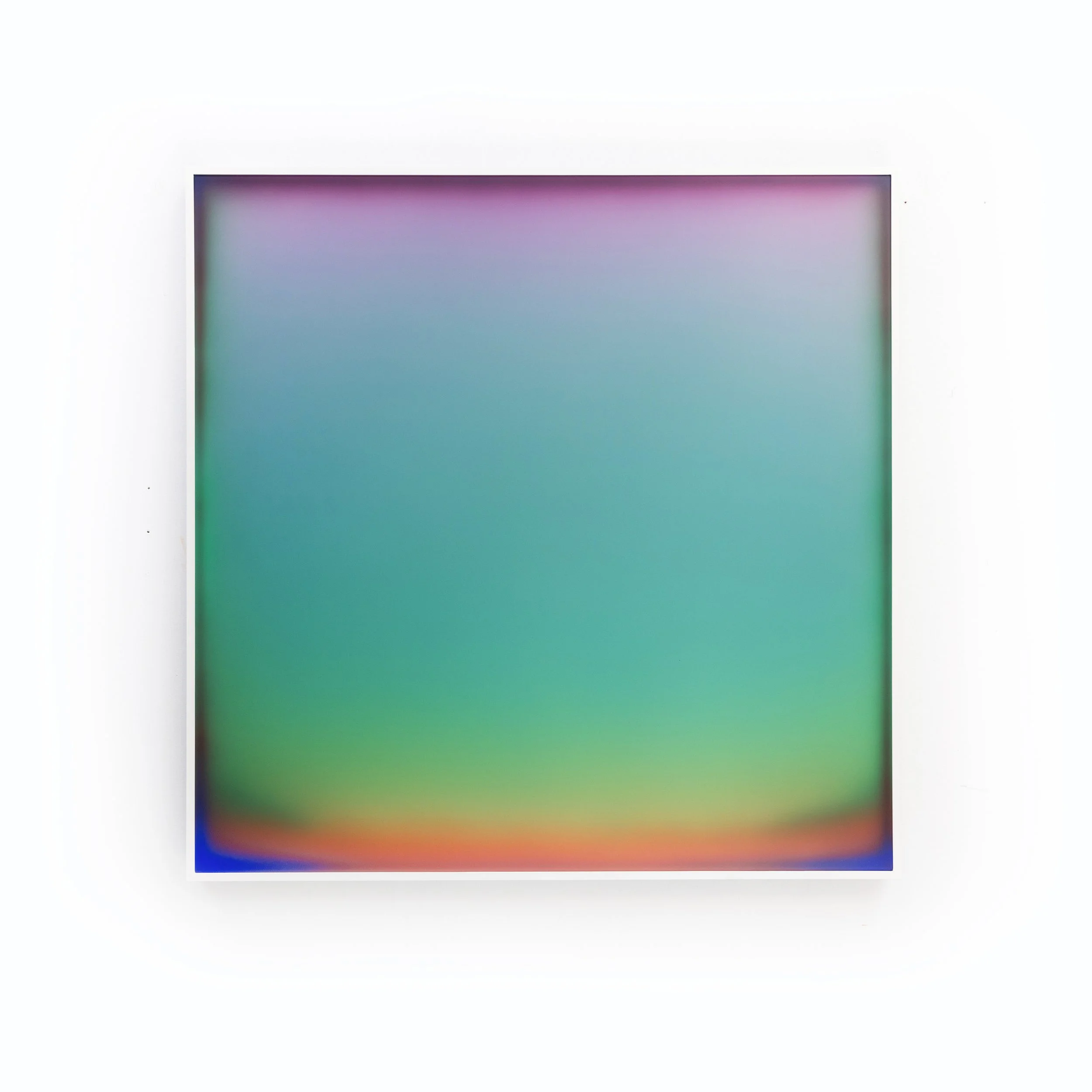
My work is about perception: how light, colour, sound and space shape the way we experience the world. Drawing from my own experiences of Visual Snow Syndrome and synaesthesia, I am interested in distortion, sensory overlap and the instability of perception. I think a lot of the work is really me trying to understand my own ways of seeing and hearing.
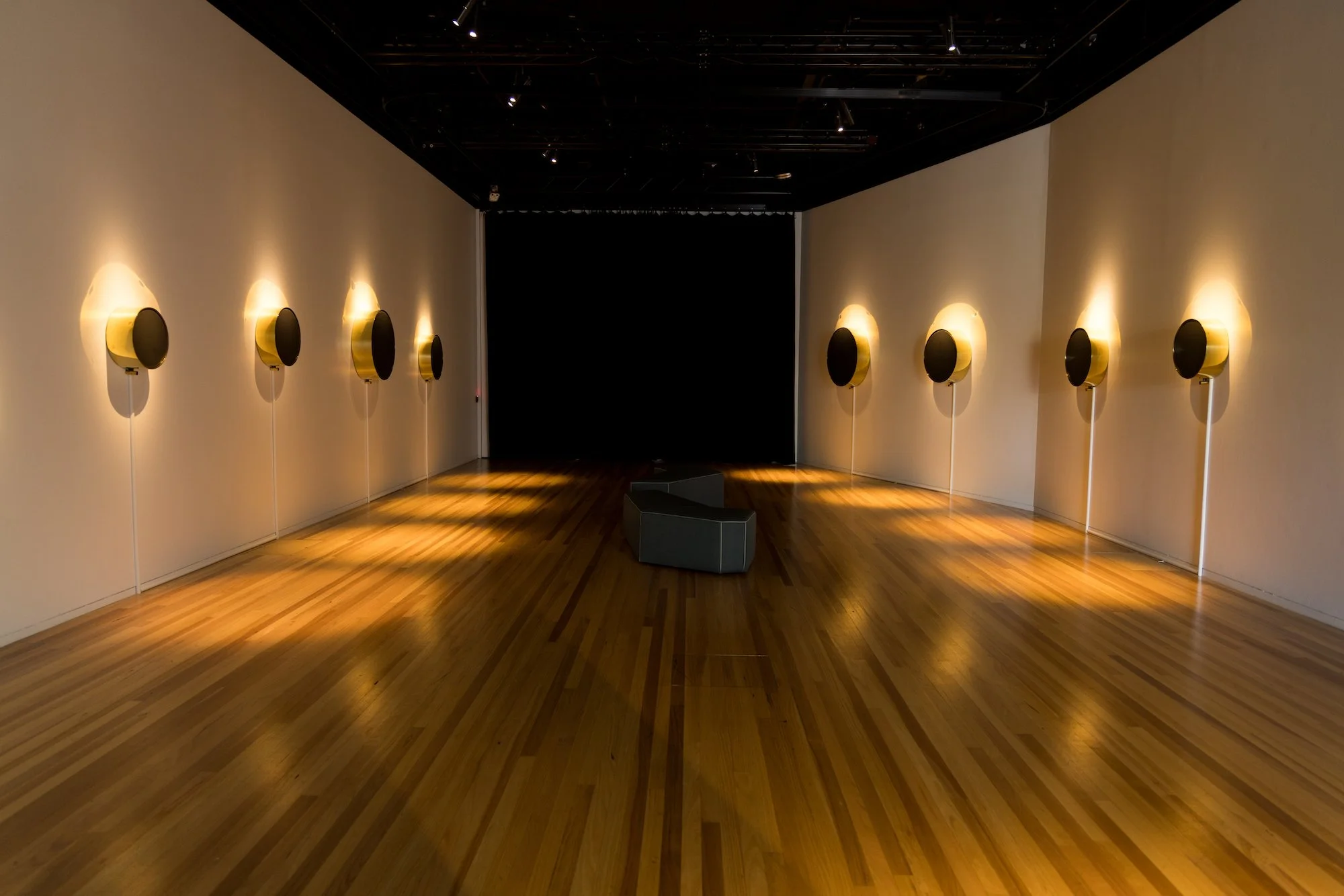
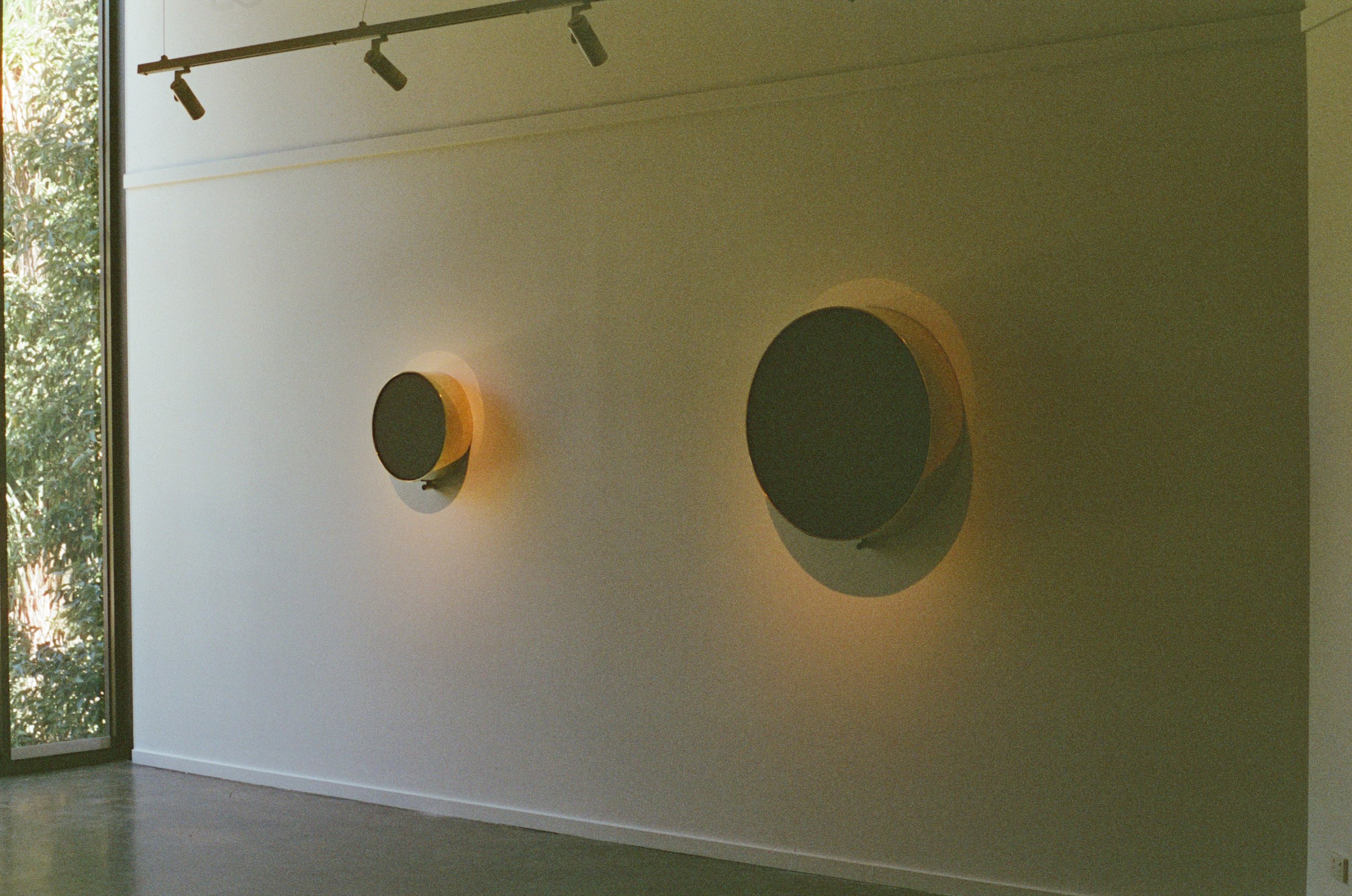
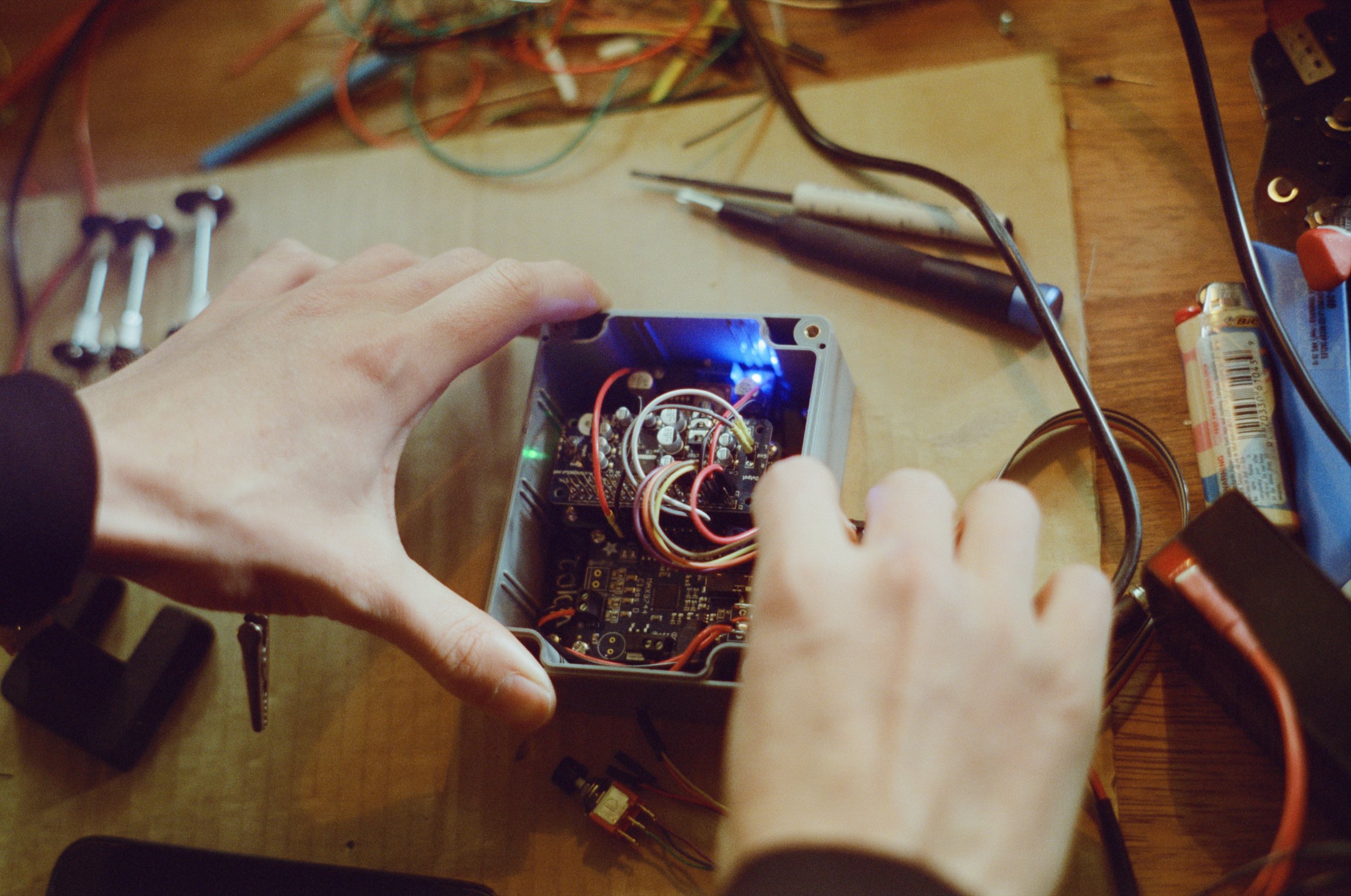
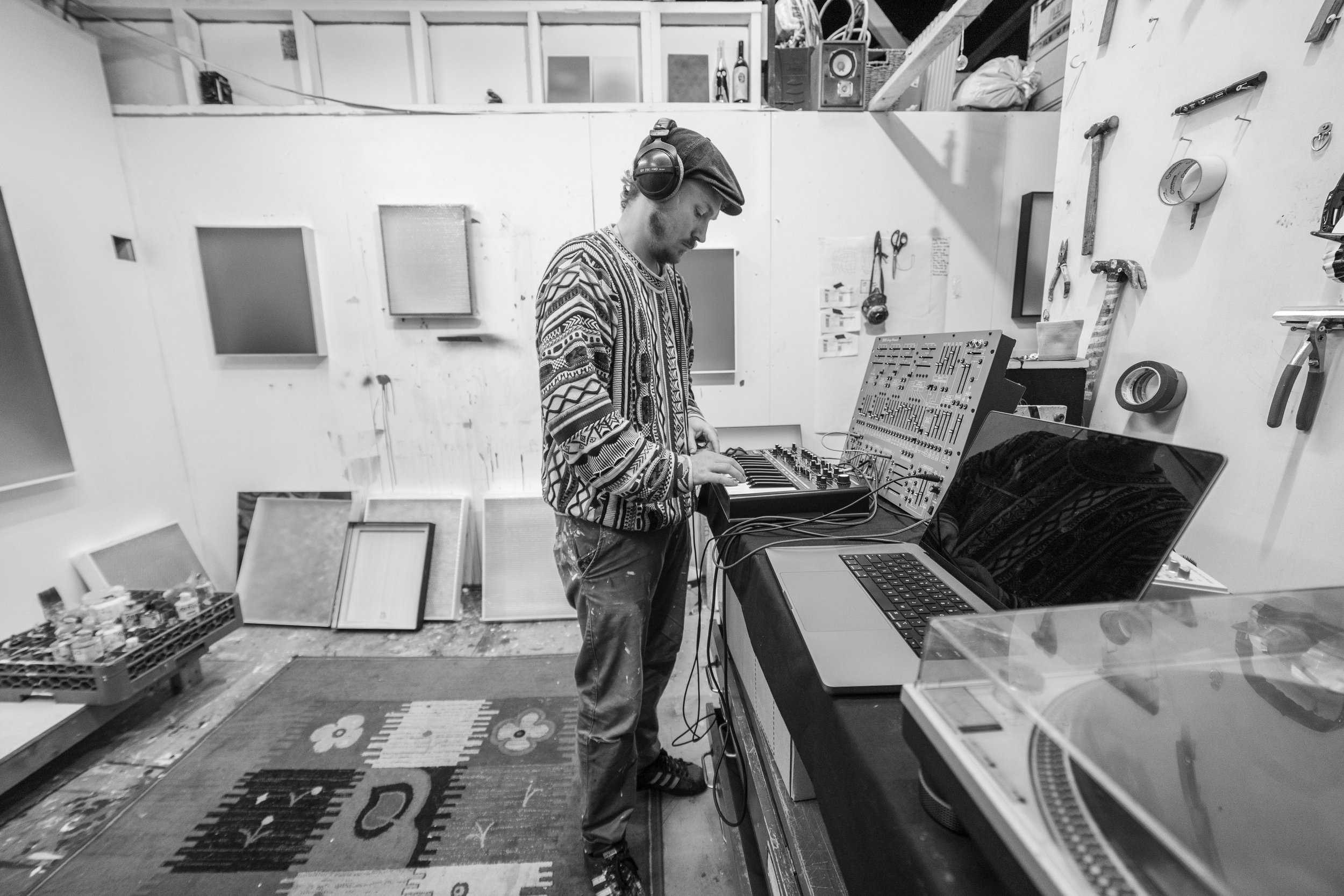
That curiosity moves across painting, video, sound and installation, from intimate moments of colour and texture to larger immersive works that call for collective play. Sound has always been part of this picture. I studied classical violin and audio engineering, and over time that background has collided more and more with my visual world, with each feeding into the other. I’m interested in sound as something physical and spatial, and in making the relationship between action and sound visible or tangible.
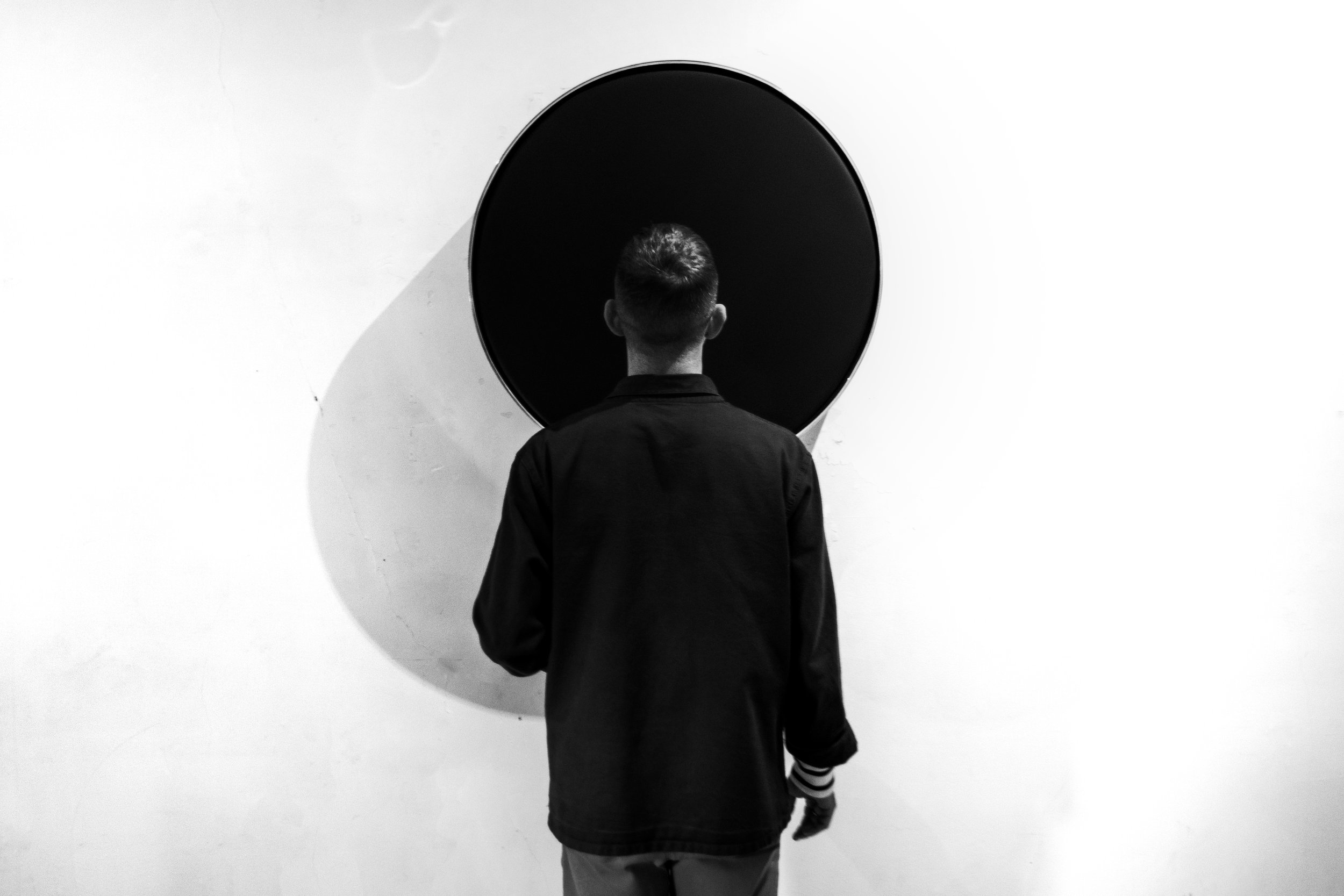
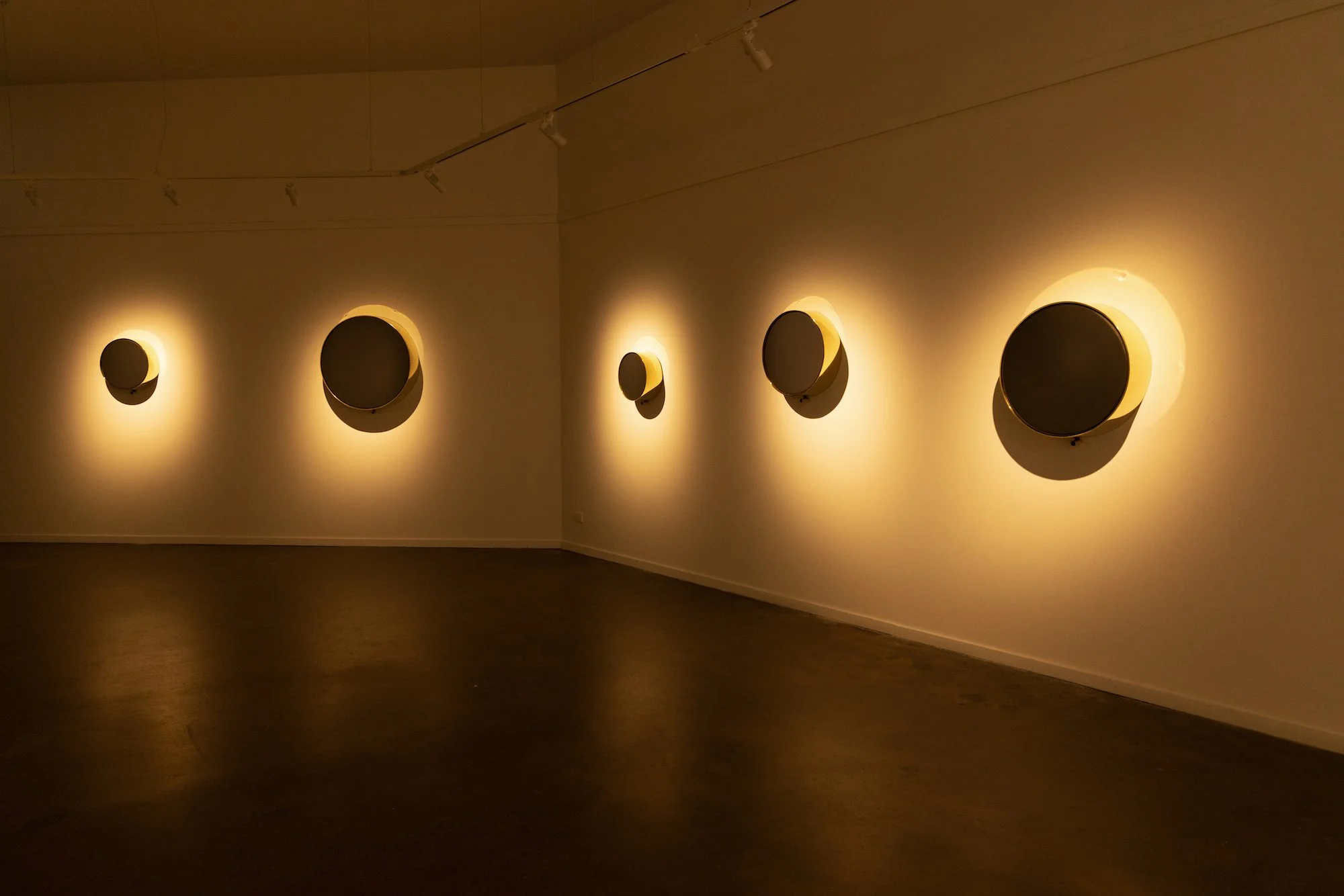
I’m most interested in the places where these different languages begin to blur: where sound becomes physical, colour becomes spatial, or the presence of the viewer alters the work itself. Ultimately, I want people to feel as though they’ve stepped outside ordinary reality for a moment and arrived somewhere strange, immersive and uplifting, somewhere that sparks curiosity and shifts the way they see or hear the world.